Building Better Operational Systems

Elena Hart

Operational problems often begin with small inefficiencies: scattered information, unclear ownership, and too many manual follow-ups. Better systems create visibility and consistency.

Busywork hides what is really happening
Busywork is not just inconvenient. It makes operations harder to understand. When updates are scattered across messages, documents, calendars, and disconnected tools, teams lose visibility into what is actually happening.
This makes it harder to make good decisions. It also makes it harder to spot blockers before they become bigger problems.
The first step toward better operations is reducing manual coordination. When workflows automate task movement, reminders, and basic updates, teams spend less time maintaining the system and more time working inside it.
Visibility starts with clear workflow status
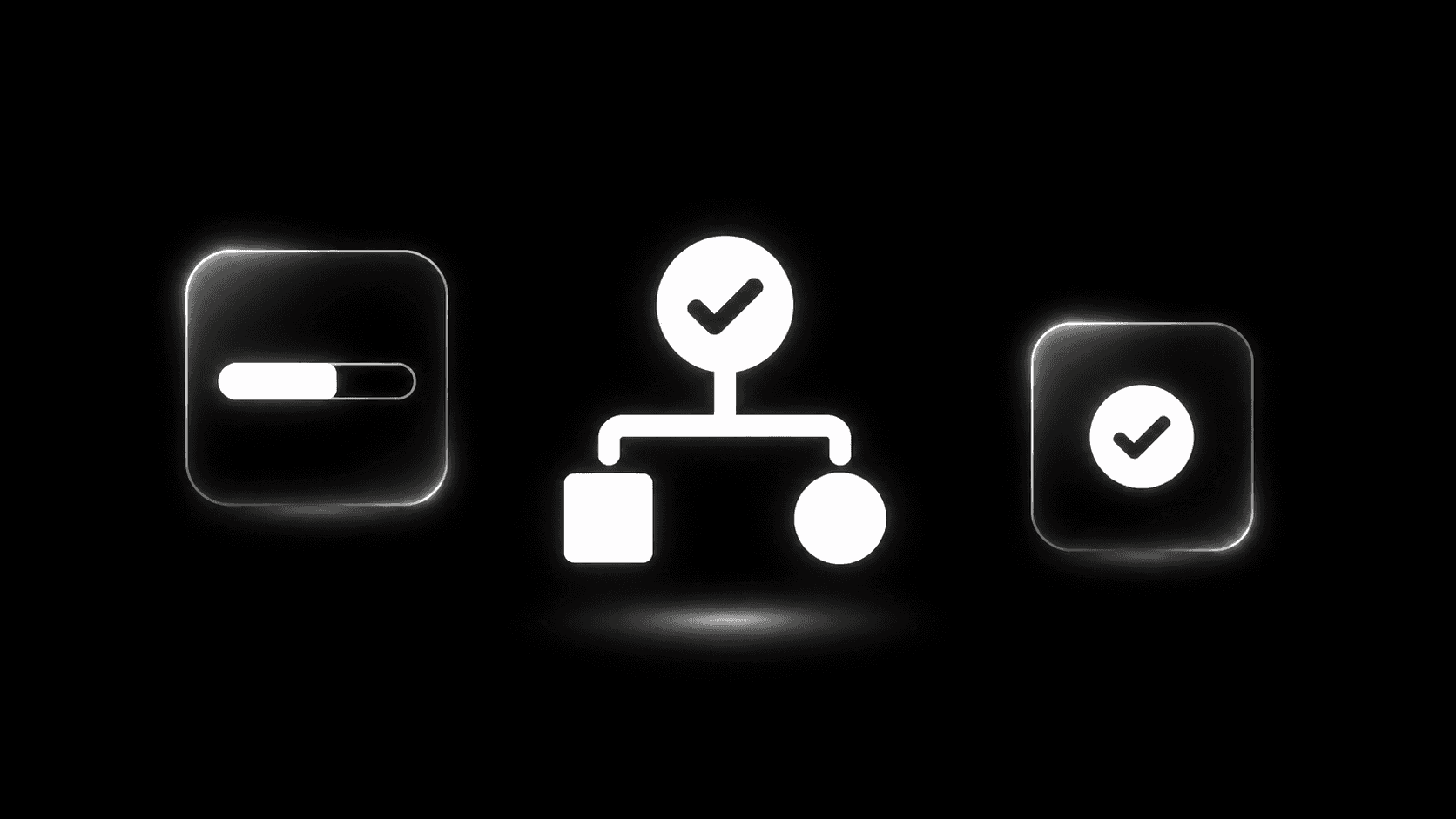
Teams should be able to understand what is in progress, what is blocked, and what has already been completed without needing to ask around.
Clear workflow status gives everyone a shared view of the work. It reduces unnecessary check-ins and helps teams focus on solving problems instead of finding information.
Dashboards, workflow history, and centralized updates all help create this clarity. The result is a system that feels easier to manage and easier to improve.

Better systems make operations easier to scale
Good systems do not eliminate flexibility. They create a stable framework that supports better collaboration and faster decisions.
When each task, approval, or process follows a clear structure, work becomes easier to track and easier to repeat. Teams can identify patterns faster and refine how they operate over time.
The real shift happens when operations move from reactive to intentional. Instead of constantly patching gaps, teams begin to run with more clarity and less friction.
Conclusion
Better operational systems are not only about doing work faster. They are about understanding work more clearly. When teams reduce busywork and improve visibility, they create a stronger foundation for scale, alignment, and better results.